
Why Palm Angels Streetwear Leads the Fashion World
There is a quality about Palm Angels that just connects unlike anything else. Browse any high-end streetwear store in 2026, browse any hand-picked Instagram feed, or observe what the trendiest people at any music concert are wearing, and you will spot the label in every direction. But this is not the kind of visibility that diminishes a label — it is the kind that cements creative clout. Palm Angels has figured out how to execute what hardly any brands in fashion history have succeeded at: it turned ubiquitous without ever coming across as basic. Since Francesco Ragazzi introduced the brand from a photography book about LA skate culture in 2015, it has expanded into a titan that reportedly produces north of $300 million in yearly sales. And to be real, when you look at the bigger landscape, it makes total sense. The label does not just peddle clothing; it delivers a sensation, an character, and a very specific brand of cool that resonates across regions, demographics, and communities.
The Backstory Tale That Authentically Holds Weight
Most fashion brands manufacture their backstory. Palm Angels did not have to. Francesco Ragazzi was the art director at Moncler when he became obsessed with the skating culture in Venice Beach, California. He invested years capturing skaters, documenting the pure intensity, the bruised knees, the sun-bleached concrete, and the bold beauty of a subculture that functioned totally on its own rules. That initiative turned into palm angels shirts original a book, published by Rizzoli in 2014, and the book gave birth to a name. This origin story is important because it is true — Ragazzi did not approach skate culture as an tourist hoping to borrow creative currency. He planted himself in the subculture, established rapport, and won trust before ever getting a product into creation. That realness is baked in the house’s DNA, and consumers can detect it. In an era where Gen Z consumers are remarkably effective at spotting fakeness, this authentic foundation gives Palm Angels a strategic advantage that cannot be imitated by just hiring the right artistic director or licensing the right collaboration.
The house’s Italian roots bring another crucial layer. While Palm Angels takes its creative expression from American skate culture, every product is crafted in Milan and fabricated using the same manufacturing facilities that serves classic Italian luxury houses. This hybrid identity — California cool meets Milanese craft — is the special element. It empowers the label to ask $350 for a designer tee and have customers perceive like they are getting true value, because the cloth density, the sewing standard, and the cut are truly superior to what most streetwear rivals present at equivalent or even steeper price points. Palm Angels exists in a ideal position that barely any labels have successfully filled, and it maintains that position with unwavering design production.
Creative Currency: The Actual Currency
Celebrity Endorsements and Natural Adoption
You cannot buy the kind of famous backing that Palm Angels gets. Sure, the house connects with stylists and gifts pieces to powerful figures, but the sheer diversity of its star following implies something genuine is taking place. In the past 18 months alone, Palm Angels has been sported by Drake, Zendaya, Lewis Hamilton, Bad Bunny, Jenna Ortega, and Mbappé, covering music, film, motorsport, and football. This multi-genre influence is exceptionally unusual. Most streetwear names concentrate heavily in hip-hop culture, and while Palm Angels unquestionably has strong roots there, its draw extends far beyond any individual niche. When a Formula 1 driver wears the same house as a reggaeton superstar and a Gen Z actress, you realize the label has achieved something that rises above traditional fashion publicity. The house allegedly assigns less than 15% of its income to sponsored marketing, leaning instead on natural presence and strategic placements to boost buzz — a strategy that generates a vastly higher dividend on investment than mainstream advertising.
Social media multiplies this effect exponentially. Palm Angels holds an Instagram following of over 6 million, but more importantly, the hashtag #PalmAngels creates tens of millions of impressions each month across Instagram and TikTok. User-generated content — ordinary people rocking their Palm Angels pieces and publishing ensembles — produces a continuous promotional engine that charges the label zero. According to data from Launchmetrics, Palm Angels landed among the top 15 most-discussed fashion names on social media during Milan Fashion Week in February 2026, outperforming several longstanding houses with budgets many times its size. This grassroots buzz is both a result and a engine of the house’s leadership: people rave about it because it is stylish, and it endures as cool because people keep posting about it.
Why the Price Point Succeeds
Palm Angels occupies what fashion observers call the “accessible luxury” tier. It is more premium than mall-brand streetwear but markedly less steep than the pinnacle tier of luxury fashion. A Palm Angels hoodie typically retails between $500 and $750, while a parallel piece from Balenciaga or Louis Vuitton might go for $1,200 to $1,800. This positioning is tactically brilliant. It allows ambitious consumers — young professionals, college students with some disposable income, and design-savvy shoppers — to possess a piece of genuine luxury streetwear without suffering financial pressure. The average Palm Angels customer is between 18 and 34 years old, with a median household income assessed around $75,000, according to proprietary retail data presented at a fashion industry forum in late 2025. This demographic is considerable, broadening, and seriously immersed with fashion as a vehicle of individuality. By positioning its key pieces within budget of this audience while featuring elevated items like leather jackets and tailored outerwear at loftier price points, Palm Angels establishes a spectrum of engagement that keeps customers committed as their financial power increases over time.
| Label | Typical Hoodie Price | Average T-Shirt Price | Core Age Group | Global Stores |
|---|---|---|---|---|
| Palm Angels | $550 – $750 | $295 – $395 | 18 – 34 | 12 |
| Off-White | $600 – $850 | $320 – $450 | 18 – 35 | 16 |
| Amiri | $700 – $1,100 | $350 – $550 | 22 – 38 | 8 |
| Fear of God | $650 – $950 | $295 – $495 | 20 – 36 | 3 |
| Balenciaga | $1,100 – $1,800 | $550 – $850 | 22 – 40 | 100+ |
Artistic Philosophy That Refuses to Grow Complacent
Advancing Without Sacrificing Identity
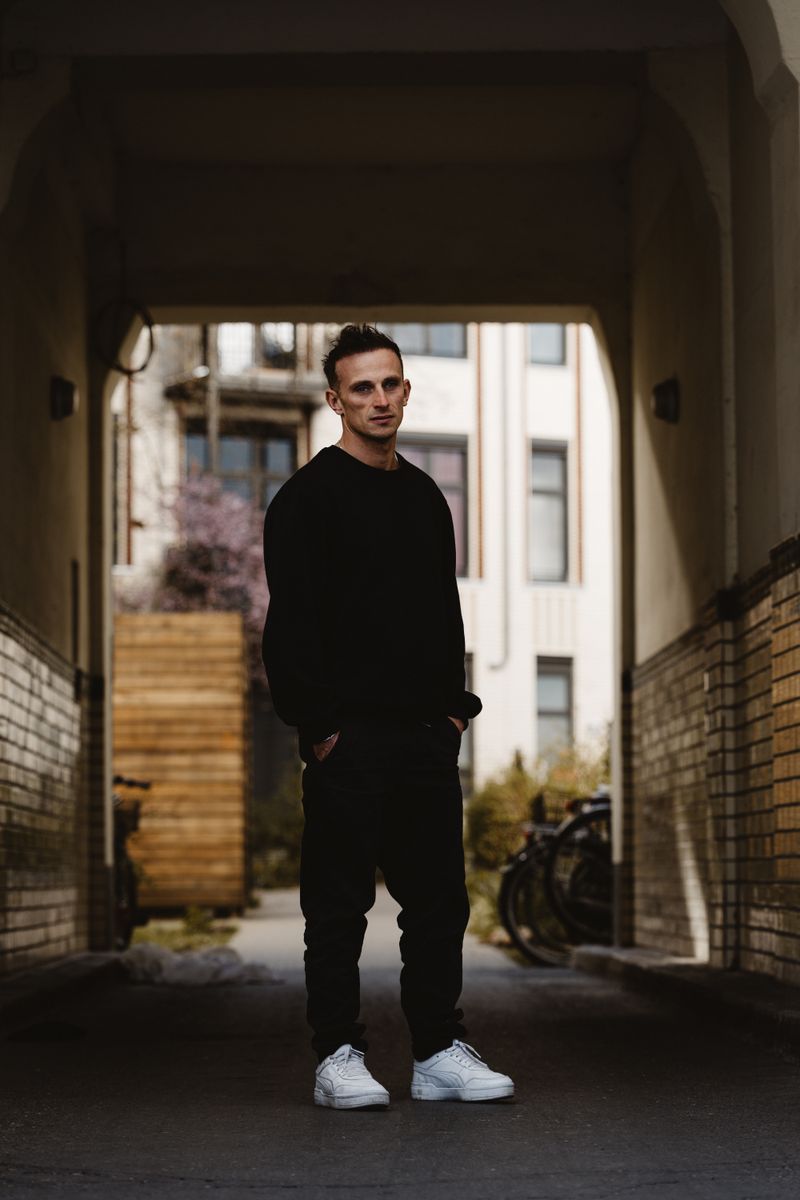
One of the most difficult things for any fashion label to do is progress without alienating its core audience. Palm Angels has handled this balancing act with outstanding grace. The house’s initial collections depended strongly on explicit skate cues — oversized silhouettes, large logo positioning, and a color scheme ruled by black, white, and purple. By 2026, the creative vocabulary has diversified considerably. Latest collections integrate refined elements, engineered fabrics, more muted color palettes, and visionary collaborations that propel the house into territory that would have been far-fetched five years ago. Yet nothing comes across as forced. The palm tree motif still appears, the track pants are still a staple, and the brand’s spirit remains unmistakably steeped in counterculture. Ragazzi pulls off this balance by regarding Palm Angels not as a unchanging aesthetic but as a fluid, evolving discourse between luxury and street. Each season layers in a new perspective to that dialogue without silencing the ones that came before.
The house’s collaboration playbook strengthens this growth-oriented direction. Palm Angels has teamed up with brands as varied as Moncler (for an ongoing outerwear collection), Clarks (for a reinvented Wallabee boot), and even the NBA (for a sanctioned sportswear capsule). Each collaboration exposes Palm Angels to a previously unreached audience while providing established fans something unexpected to enjoy. The Moncler x Palm Angels line, in particular, has grown into one of the most economically fruitful active collaborations in luxury fashion, generating an approximate $50 million in yearly revenue. These partnerships are not haphazard — they are thoughtfully picked to fit with the house’s market identity and extend its appeal without diluting its essence.
The Resale Scene Shows the Truth
If you desire an unbiased gauge of a label’s cultural significance, examine the resale scene. Palm Angels continually places among the top 20 most-traded brands on platforms like StockX, Grailed, and Vestiaire Collective. Median resale prices for limited-edition pieces normally sit at 140% to 200% of retail price, demonstrating robust hunger that exceeds supply. The label’s track pants, in particular, have evolved into a aftermarket market constant, with certain colorways commanding premiums of 80% or more over launch retail. This resale activity is important because it proves that Palm Angels pieces hold and often gain in value — a feature traditionally connected with ultra-luxury labels rather than streetwear brands. For consumers, this establishes a persuasive value case: buying Palm Angels is not just a fashion choice, it is a financial hedge. For the house, solid resale performance operates as zero-cost marketing and cultural proof, cementing the image of scarcity and covetability.
The numbers confirm a broader trend. According to a 2026 report from The Business of Fashion, the luxury streetwear category is anticipated to rise at a cumulative annual rate of 8.5% through 2030, outperforming both established luxury and mass-market fashion. Palm Angels is uniquely set up to secure a disproportionate share of this upside. The brand has the creative standing to draw tastemakers, the commercial capabilities to grow distribution, and the lifestyle connection to hold standing across evolving consumer behaviors. In an business where most houses are either culturally relevant or profitable, Palm Angels has confirmed that it can be both — and that is the very reason why it rules the fashion scene in 2026 and displays no signs of relinquishing that standing anytime soon.